7 hours ago
Oil Nears $120 After UAE Tanker Strike as Hormuz Shuts Again
Oil Tops $120 as Iran Strikes UAE Tanker and Hormuz Closes Again

Beincrypto
Key Point
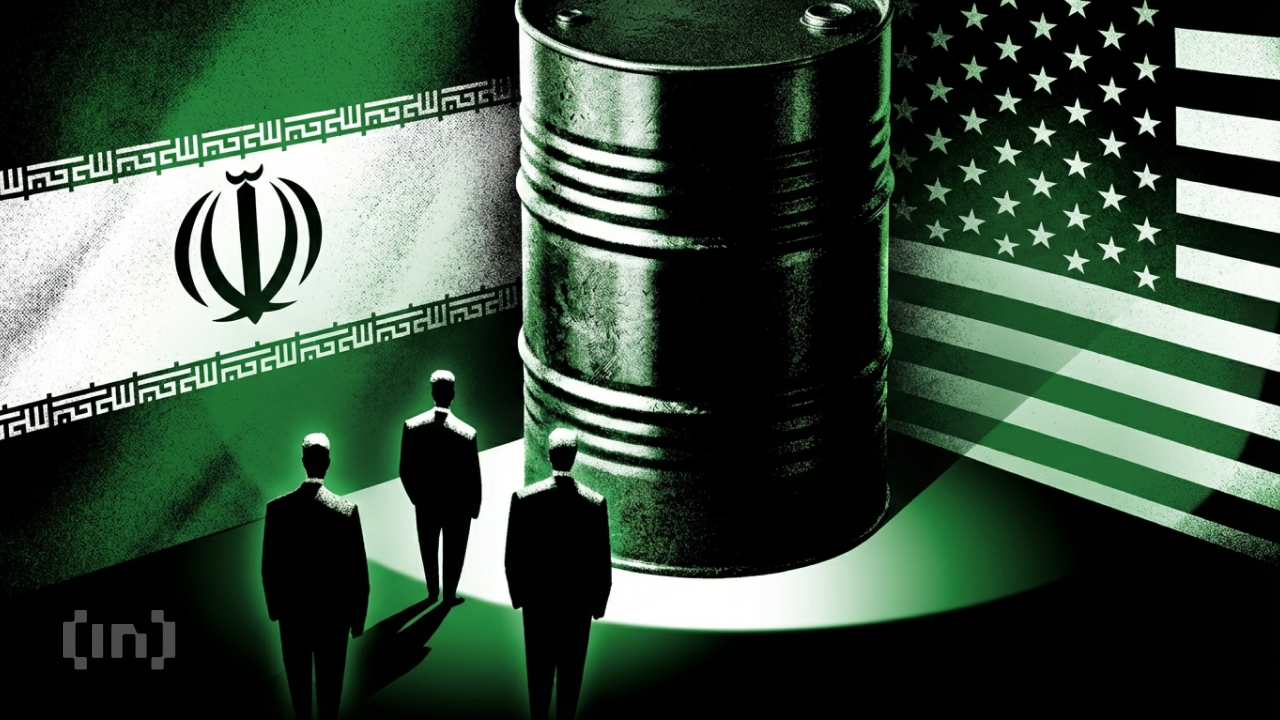
Brent crude neared $120 a barrel on Monday after two drones hit the empty ADNOC-operated tanker Barakah in the Strait of Hormuz and the waterway was effectively shut to commercial traffic again. The UAE Ministry of Foreign Affairs said no crew members were injured and directly accused Iran's Islamic Revolutionary Guard Corps of carrying out the strike, which it called a terrorist attack and an act of piracy. UKMTO said a tanker in the strait was hit by unknown projectiles, and a separate strike on a northbound cargo ship off Sirik was reported on Sunday as the regional threat level stayed critical. The strait carries roughly one-fifth of global oil supply, and President Donald Trump said the Navy would begin escorting stranded vessels through Hormuz on Monday under Project Freedom.
Why it matters: A renewed Hormuz shutdown could keep energy volatility high and may pressure risk assets if shipping disruptions persist.
Market Sentiment
Bearish, Risk-off, Macro-driven, Volatile.
Reason: The article says the Strait of Hormuz is effectively shut to commercial traffic again, which can raise energy shock concerns across risk assets.
Similar Past Cases
In June 2019, attacks on two tankers in the Gulf of Oman near the Strait of Hormuz pushed oil prices up as much as 4% and raised fears of a wider Iran-U.S. confrontation. (Euronews) That episode centered on tanker damage, while the current event also includes an effective commercial closure of Hormuz, which could make the supply shock channel more acute.
Ripple Effect
A prolonged shipping stoppage could tighten crude supply expectations and push energy costs into broader inflation and risk sentiment channels. Higher oil and freight uncertainty could pressure equities and crypto if investors shift toward defense. If commercial traffic stays blocked despite U.S. escorts, then the geopolitical risk premium may persist across markets.
Opportunities & Risks
Opportunities: If Project Freedom clears stranded vessels and commercial traffic resumes, then fading emergency energy hedges becomes a potential signal that the shock is stabilizing.
Risks: If new strikes hit ships or U.S. escorts draw direct retaliation, then keeping downside hedges on can limit damage from a broader risk-off move.
This content is an AI-generated summary/analysis for informational purposes only and does not constitute investment advice.